
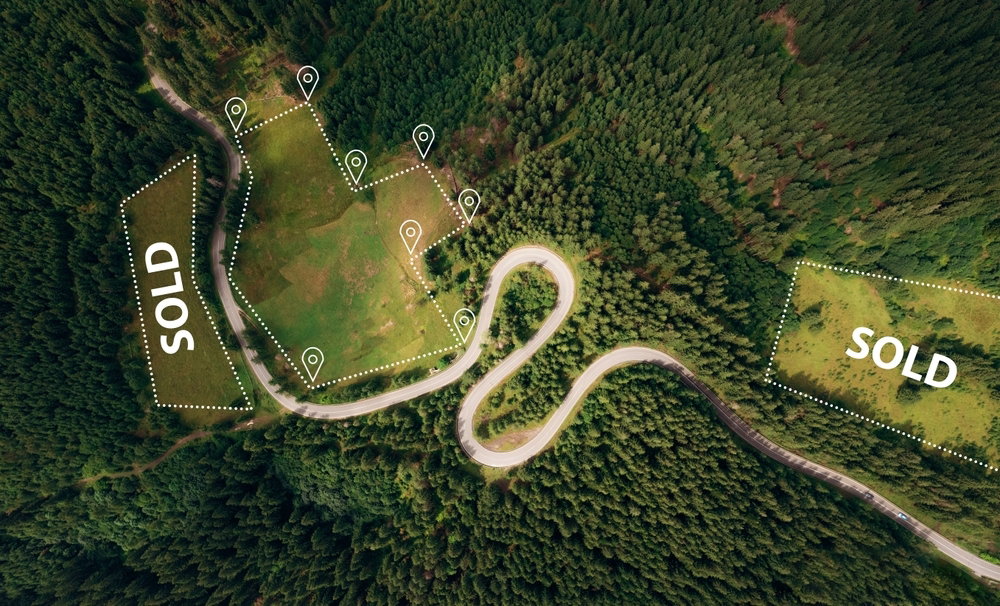
The fair, competitive way to sell farm ground and rural land.
In the Midwest, land is more than acreage. It’s legacy. It’s livelihood. It’s opportunity. And as farmers often say, they aren’t making any more of it.
That scarcity is one reason land auctions remain such a powerful option for families, farmers, investors, and estate representatives who want to sell farm ground, recreational land, building sites, or rural real estate. In a competitive land market, the right auction process can bring serious buyers to the table, create a sense of urgency, and allow the market to determine what the property is truly worth.
For sellers considering whether to work with a traditional realtor or an experienced auctioneer, the difference often comes down to strategy, transparency, and competition.
“At auction, the buyers determine the value in real time,” said Josh Krueckeberg, owner and president of Krueckeberg Auction & Realty. “When you have multiple motivated bidders competing in a fair, public process, that can create a much stronger result than simply putting a price on the property and waiting.”
Why Land Auctions Work in Today’s Midwest Farmland Market
Farmland and rural land values have remained strong across much of the country. According to the USDA Economic Research Service, U.S. farmland averaged $4,350 per acre in 2025, a 4.3% increase over 2024 values. The USDA also notes that land values vary significantly by region, soil quality, location, and local market conditions.
Indiana land values have followed a similar trend. Purdue’s 2025 Farmland Value and Cash Rents Survey reported that Indiana farmland prices continued reaching record highs, with top-quality farmland averaging $14,826 per acre, up 3.0% from June 2024.
That kind of variation in pricing makes it difficult to simply assign a price and hope the right buyer appears—and why a land auction might be the best option for selling. A well-run land auction creates a competitive environment where neighboring farmers, investors, developers, and interested family members can all participate openly.
Auctioneer vs. Realtor: Creating Competition Instead of Waiting for Offers
A traditional real estate listing usually starts with an asking price. Buyers may negotiate privately, submit contingencies, or wait to see if the seller lowers expectations. That model can work for some properties, but land is different.
Farm ground, rural acreage, and estate land often have value that depends on who is bidding. A neighboring farmer may see operational value in adding adjacent acres. An investor may see long-term appreciation. A family member may want to preserve the property. A developer may recognize future potential.
An experienced auctioneer understands those buyer motivations and builds the sale around them.
“With land, the best buyer is not always the most obvious buyer,” said Trevor Gray, vice president, KJ Auction. “Our job is to understand the region, identify who should know about the property, and make sure the right buyers have every opportunity to bid.”
That’s where KJ Auction’s real estate auction experience becomes especially valuable. Through professional promotion, quality advertising, and a straightforward process designed to attract informed, qualified buyers, KJ Auction offers a sinner strategy for land owners.
A Fair and Transparent Way to Sell Land
One of the greatest advantages of a land auction is transparency. In a public auction process, everyone knows the rules. Everyone knows the terms. Everyone knows the bidding. And everyone has the opportunity to purchase the property if they are willing to compete.
That can be especially important in estate situations, family transitions, or ownership disputes. When descendants inherit land, they may not all agree on what to do next. Some may want to keep the property. Others may prefer to sell. Still others may want the chance to buy out the remaining interests.
A land auction gives everyone a clear path forward.
“An auction can take emotion and uncertainty out of a difficult situation,” Josh said. “The terms are clear, the bidding is open, and everyone has the same chance to participate. That fairness matters, especially when families are involved.”
When Estate Land Auctions Make Sense
Land auctions are often a smart solution when:
- A family has inherited farmland or rural property.
- Multiple heirs cannot agree on how to divide or manage the land.
- Descendants no longer farm or live near the property.
- The estate needs a fair market value established through competitive bidding.
- Family members want the opportunity to buy the land publicly and fairly.
- The seller wants a defined sale date rather than an open-ended listing.
In these situations, an auction can provide structure, speed, and clarity. Instead of months of private negotiations, an auction creates a deadline and lets the market speak.
What an Experienced Land Auctioneer Does Before Sale Day
A successful land auction doesn’t begin when the bidding opens. It starts with preparation. An experienced auctioneer helps sellers evaluate the property, clarify the terms, and present the land in a way that gives buyers confidence. Depending on the property, that may include:
- Reviewing acreage and parcel details.
- Gathering soil maps and productivity information.
- Coordinating surveys or clarifying property lines.
- Taking aerial photos and video footage.
- Preparing bidder packets and marketing materials.
- Creating flyers and digital promotions.
- Promoting the auction to local, regional and broader buyer networks.
- Conducting open houses or property inspections.
- Managing online-only, live or hybrid auction formats.
- Communicating terms clearly before the auction.
That preparation helps buyers understand what they are bidding on and helps sellers create a more competitive auction environment.
“You can’t just put land out there and hope the right people find it,” Trevor said. “You need the maps, the marketing, the aerials, the data, and the buyer outreach. The more confident buyers are, the more confidently they can bid.”
Local Knowledge Matters in Land Auctions
The Midwest land market is highly local. Soil type, drainage, road frontage, neighboring ownership, school districts, development pressure, recreational use, and proximity to other farms can all influence value.
That’s why regional knowledge matters.
KJ Auction has served Fort Wayne, Decatur, Bluffton, Ossian and surrounding areas since 1977, combining local relationships with broader auction marketing capabilities. We also maintain active auction listings and a buyer audience through our upcoming auctions platform.
For land sellers, that combination is important. The strongest buyer may live across the road, across the county, or across the country. A good auctioneer knows how to reach all three.
Online, Live or Hybrid: Choosing the Right Auction Format
Not every land auction looks the same. Some properties may be best suited for a live on-site auction. Others may benefit from an online-only format that allows more bidders to participate remotely. In many cases, a hybrid strategy can combine the energy of a live auction with the reach of online bidding.
The right format depends on the property, the seller’s goals, the likely buyer pool, and the complexity of the sale.
“What matters is not just whether the auction is online or live,” Josh said. “What matters is whether the process is designed to create confidence, competition and the best possible outcome for the seller.”
Land Auctions Can Deliver Results Above Expectations
A traditional listing often asks, “What price should we put on this property?”
An auction asks a better question: “What is this property worth to the people who want it most?”
That difference can be powerful. When multiple bidders are interested, public competition can push buyers to their limit. The process creates urgency, removes uncertainty, and helps sellers avoid underpricing a property in a changing market.
The Federal Reserve Bank of Chicago reported that agricultural land values in the Seventh District increased 6% in 2025, reversing a modest decline in 2024. The report also noted single-digit annual increases for Illinois, Indiana, and Iowa farmland values.
In a market like that, a well-promoted auction can help sellers capture real-time demand rather than relying on a fixed listing price.
Thinking About Selling Land?
Whether you’re managing an estate, selling family farmland, evaluating rural acreage, or trying to determine the best way to bring buyers to the table, Krueckeberg Auction & Realty can help you understand your options.
Because at the end of the day, a land auction is more than a sale. It’s a strategy built around visibility, fairness and competition. To learn more, visit KJ Auction’s real estate services, view upcoming auctions or contact the team at kjauction.com.